If you are deciding between a historic luxury home and a modern one in Boulder, you are really choosing between two very different ownership experiences. One offers preserved character, established streetscapes, and architecture with a strong sense of place. The other often offers cleaner design, easier alignment with current building standards, and more flexibility for future updates. This guide will help you compare both so you can make a confident decision in Boulder’s unique housing landscape. Let’s dive in.
Boulder Luxury Homes Start With Context
In Boulder, the historic versus modern question is not just about style. It is also about where the home sits, what rules apply to it, and how the city views change over time.
Boulder adopted its historic preservation ordinance in 1974 after the loss of important historic buildings. Today, the city has 10 historic districts, more than 200 individual landmarks, and more than 1,300 designated properties. That means preservation is an active part of the market, especially in older luxury-home settings.
Historic luxury homes are often tied to established areas such as Chautauqua, Mapleton Hill, West Pearl, Downtown, Highland Lawn, and University Place. In these settings, the streetscape matters alongside the home itself, including parks, sidewalks, tree canopy, and the space between buildings.
Modern luxury homes are more commonly found outside protected historic districts. In places shaped by current planning, such as parts of North Boulder and East Boulder, buyers may see neighborhoods guided more by evolving land use and mixed-use planning than by preservation review.
Historic Luxury Homes in Boulder
Historic luxury homes in Boulder appeal to buyers who want architecture with visible personality and a setting that feels established. These homes often stand out because they reflect the city’s earlier building traditions and preserve a strong connection to Boulder’s architectural history.
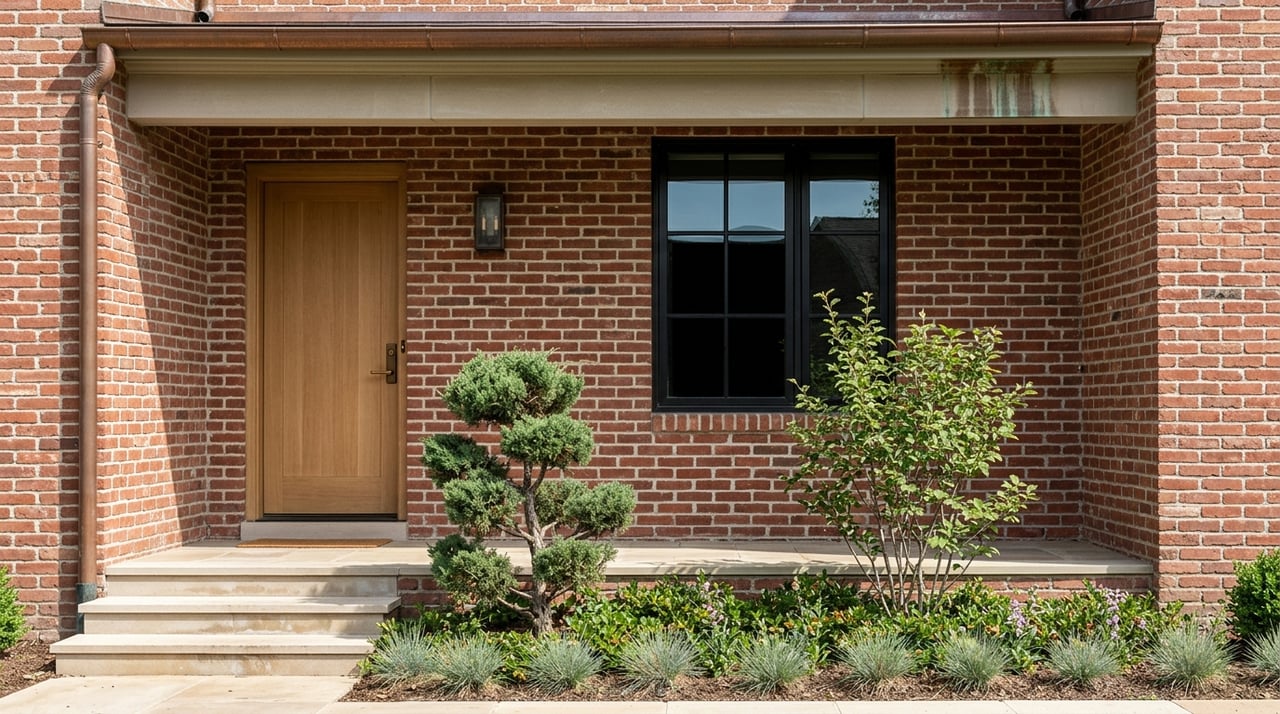
Boulder’s design guidance identifies several historic styles that buyers often associate with charm and distinction. You may see Italianate homes with hipped roofs and bracketed eaves, Queen Anne homes with asymmetrical forms and decorative porches, and Bungalows with broad covered porches and low overhanging roofs.
In places like Mapleton Hill, massing and roof form are key parts of the district’s character. That means the overall shape of the home matters just as much as details like windows, trim, or porch design.
Chautauqua is one of the clearest examples of Boulder’s preserved historic setting. Its period of significance runs from 1898 to 1930, and more than 100 structures retain a high degree of architectural integrity. The district was preserved through local designation after concerns about deterioration and demolition in the 1970s.
Why Historic Homes Appeal
Historic luxury homes tend to fit buyers who value:
- Period character
- Distinctive architecture
- Established neighborhood identity
- Mature streetscapes and preserved surroundings
- A home that feels closely tied to Boulder’s history
For many buyers, that appeal is emotional as much as practical. A historic home can feel one-of-a-kind in a way newer construction often does not.
What to Watch With Historic Homes
Historic ownership in Boulder often comes with more process. Exterior changes to designated landmarks and properties in historic districts require a Landmark Alteration Certificate. If a building is more than 50 years old but not designated, demolition plans can still trigger historic-preservation review.
That does not mean you cannot improve or update a historic home. It does mean you should understand the approval path before assuming a remodel, expansion, or exterior redesign will be simple.
Maintenance is another important factor. The city says it cannot require upgrades to a designated landmark or a home in a historic district, but it can require maintenance so the property is not neglected.
There can also be incentives. For qualifying permitted work, designated historic properties may be eligible for potential state income tax credits and a city sales-tax waiver for approved exterior materials when the project meets the city’s requirements.
Modern Luxury Homes in Boulder
Modern luxury homes in Boulder often attract buyers who want a more streamlined living experience. They usually align more naturally with current design preferences and the city’s direction on energy performance.
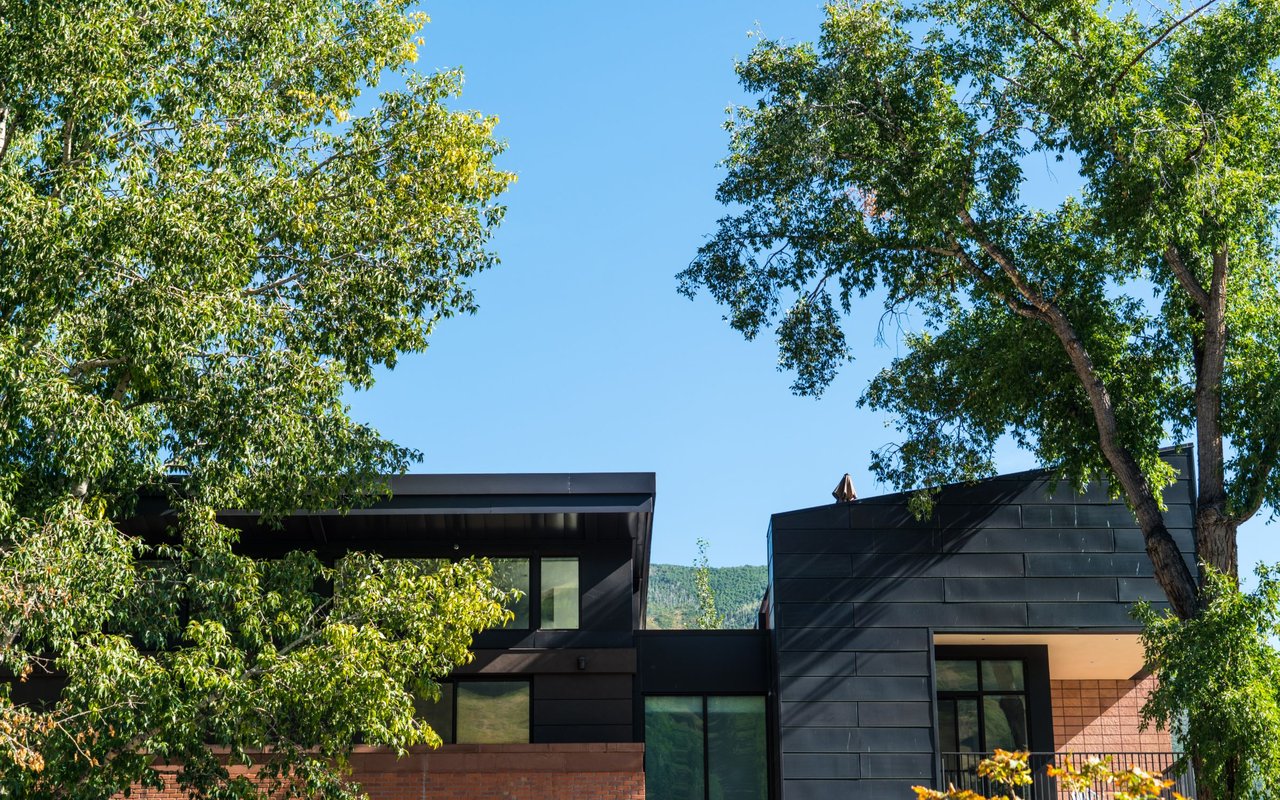
Boulder’s historic design guidance describes the Modern movement as favoring flat roofs, smooth wall surfaces, standardization of parts, and an absence of non-functional decoration. In real-world terms, that often translates to crisp lines, restrained exteriors, and a cleaner overall expression.
For buyers who prefer simplicity and efficiency, that can be a major advantage. A modern home may feel easier to maintain visually and functionally, especially if it was recently built or significantly updated.
Why Modern Homes Appeal
Modern luxury homes often fit buyers who want:
- Clean architectural lines
- Fewer design constraints tied to preservation
- Better alignment with current energy-code expectations
- More predictable paths for future upgrades
- A newer construction standard from the start
In Boulder, that last point matters. The city’s current Energy Conservation Code took effect on December 1, 2024, and it is aimed at high-performance, net-zero-energy buildings.
Energy Performance Matters
For residential projects in Boulder, new construction, additions over 1,000 square feet, and major alterations must use the ERI compliance path. In new construction, homes that are 3,000 square feet and larger must achieve an ERI of 0, while smaller homes must be at ERI 30 or lower.
The same code requires new construction, additions, and major alterations to be all-electric. That means fossil-fuel space heating, water heating, cooking, fireplaces, and some outdoor systems are not allowed in those project types.
This gives many modern luxury homes a built-in advantage. They are often better positioned for efficiency and electrification from day one, while older homes may require more retrofitting to reach similar performance.
Historic vs Modern: The Real Trade-Offs
In Boulder, the decision is often less about whether old is better than new. It is more about which set of priorities fits the way you want to live.
Here is a simple comparison:
| Feature | Historic Luxury Home | Modern Luxury Home |
|---|---|---|
| Architectural feel | Period character and detail | Clean, restrained design |
| Neighborhood setting | Often in established historic areas | Often outside protected districts |
| Exterior changes | More review may be required | Usually fewer preservation-related hurdles |
| Energy performance | May require retrofitting | Often better aligned with current code |
| Maintenance mindset | Ongoing stewardship is important | Often more straightforward |
| Remodel flexibility | Can depend on designation and review | Often more predictable |
Neither path is automatically better. It depends on whether you value preserved character and a defined streetscape more than flexibility and built-in performance.
Questions to Ask Before You Buy
Before you commit to either style, it helps to ask focused questions that match Boulder’s local rules.
Questions for Historic Homes
Ask these questions if you are considering a historic luxury property:
- Is the home a local landmark or inside a historic district?
- What exterior changes would require a Landmark Alteration Certificate?
- Are there deferred maintenance issues?
- Have prior alterations affected the home’s character or future remodel options?
- Could planned work qualify for historic-preservation incentives?
One important point is that not every older home in Boulder is officially protected. Age alone does not automatically mean landmark status or historic-district designation.
Questions for Modern Homes
Ask these questions if you are comparing a modern luxury home:
- What ERI or similar energy documentation is available?
- Is the home all-electric?
- How were heating, hot water, and renewable-energy requirements handled?
- If the property had a major remodel or addition, which Boulder code path was used?
These questions can help you understand whether the home’s design and systems match your expectations for comfort, efficiency, and future ownership costs.
Which Boulder Luxury Home Fits You?
A historic luxury home may be the right fit if you want a home with architectural depth, a preserved setting, and a strong sense of Boulder’s past. You may be especially drawn to neighborhoods where the streetscape itself is part of the appeal.
A modern luxury home may be the better fit if you want clean design, stronger built-in performance expectations, and fewer uncertainty points around future upgrades. That can be especially important if you value simplicity and a more current building standard.
In either case, Boulder asks buyers to think beyond finishes and square footage. Preservation rules, energy code, maintenance expectations, and remodel flexibility all shape the ownership experience.
When you understand those factors early, you can buy with much more clarity. If you are weighing historic charm against modern efficiency in Boulder, Melissa Maersk-Moller can help you evaluate the details and find the luxury property that truly fits your goals.
FAQs
What makes a luxury home historic in Boulder?
- In Boulder, a luxury home may be considered historic if it is a designated local landmark or located within a historic district, where exterior changes are subject to review.
Are all older luxury homes in Boulder protected?
- No. In Boulder, age alone does not automatically make a home a landmark or place it in a historic district.
Do historic homes in Boulder allow renovations?
- Yes, but exterior changes to designated landmarks and historic-district properties require a Landmark Alteration Certificate, so the review process should be part of your planning.
Are modern luxury homes in Boulder more energy efficient?
- They often are, especially when recently built or significantly altered under Boulder’s current Energy Conservation Code, which emphasizes high performance and all-electric systems.
Which Boulder neighborhoods are known for historic home settings?
- Boulder’s historic luxury-home settings are often associated with Chautauqua, Mapleton Hill, West Pearl, Downtown, Highland Lawn, and University Place.
What should Boulder buyers compare first between historic and modern homes?
- Start by comparing preservation review requirements, maintenance expectations, energy performance, and how much flexibility you want for future updates.