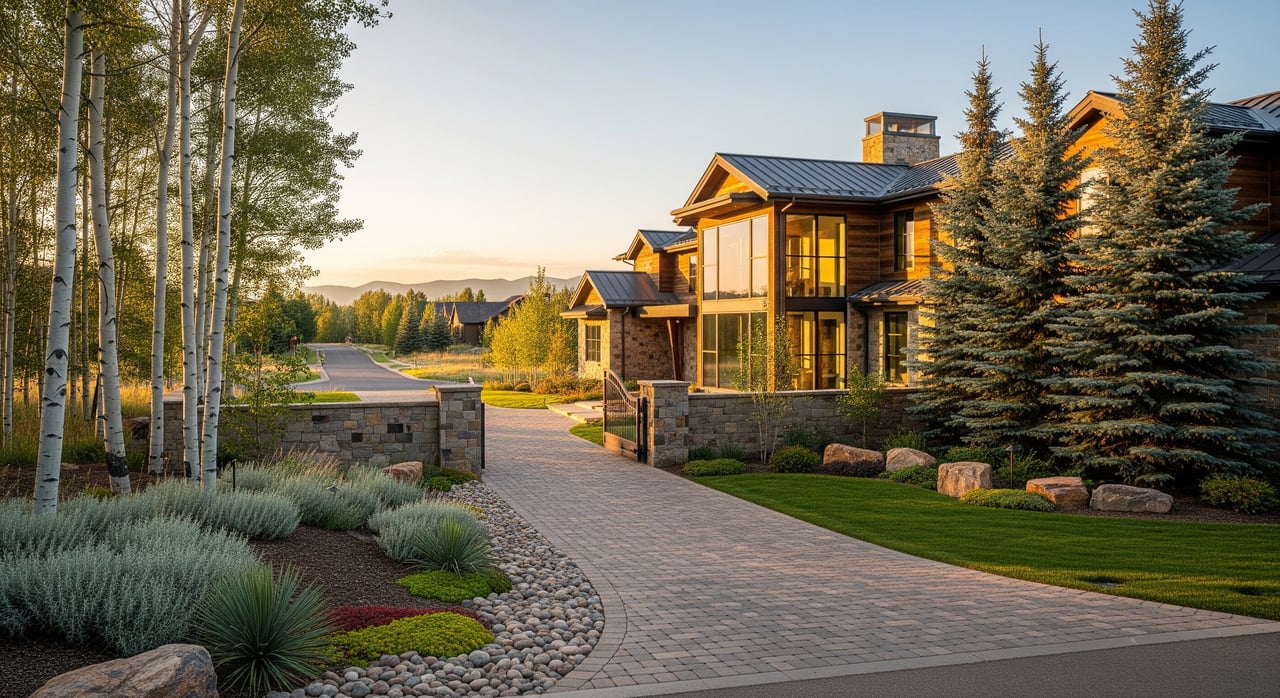
What if the right Fort Collins luxury neighborhood could make everyday life feel easier and more inspiring? You may be weighing views against commute time, privacy against community amenities, or Old Town access against acreage. You are not alone. Many move-up buyers in Fort Collins face the same trade-offs. In this guide, you will learn how to compare neighborhood types, assess HOA and commute factors, understand resale drivers, and follow a clear checklist that streamlines your search. Let’s dive in.
Fort Collins luxury at a glance
Fort Collins blends a vibrant Old Town, Colorado State University, and quick access to foothill recreation. That mix shapes luxury demand. Many buyers want west-facing views and trail access near Horsetooth Reservoir and Poudre Canyon. Others prefer walkability to dining and culture in Old Town or the structure of club communities. Your day-to-day lifestyle should lead your neighborhood choice from the start.
Match lifestyle to neighborhood types
The luxury market in Fort Collins is not one-size-fits-all. You will see a few consistent patterns that map to different lifestyles.
Country-club living
Country-club communities center around private golf, a clubhouse, and social amenities. You may find gated entries, on-site fitness and pools, and a strong neighborhood identity. Membership fees are separate from HOA dues in many cases, so clarify costs and which amenities require a club membership. This path suits you if you enjoy planned social events, golf, and a set amenity package.
Estate communities
Master-planned estate neighborhoods often include custom homes, larger lots, trail networks, and cohesive design standards. Expect architectural review processes and strong community covenants. If you want a high-end neighborhood feel with privacy, walking paths, and consistent streetscapes, estate communities are a smart fit.
Foothills and Horsetooth estates
Foothills-adjacent properties trade walkability for views and quick access to hiking, biking, and the water at Horsetooth Reservoir. Lots can be larger and topography can be more varied. Drive times to restaurants and services are longer, but the daily payoff includes sunsets, wildlife, and open space just outside your door.
Old Town luxury
Premium historic areas and infill near Old Town offer cultural energy and convenience. You will likely find smaller yards, renovated or custom builds, and strong access to dining, breweries, and events. If you value walkability and a vibrant street scene over lot size, this option excels.
Equestrian and acreage
Large-lot homes in unincorporated Larimer County can support barns, riding arenas, and true privacy. Maintenance demands are higher, and you should verify water rights, well permits, and any agricultural zoning considerations before buying. This path suits you if you want space, possible equestrian use, and fewer neighbors.
Architecture and lots
Your enjoyment and future resale depend on both the home’s design and the land beneath it.
Style and materials
Expect a mix of mountain-modern, ranch, craftsman, contemporary, and high-end traditional designs. Newer builds often emphasize energy efficiency, large window walls for views, and thoughtful indoor-outdoor flow. Choose architectural details with broad appeal and durable materials to support long-term value.
Lot size and topography
Lots range from larger suburban parcels around a quarter acre to multi-acre properties. Hillside sites can deliver dramatic vistas but may require more complex drainage and excavation. Flat acreage is simpler to maintain and build on, but you should still inspect soils, utilities, and stormwater patterns.
Views and orientation
West and northwest orientations are prized for foothill and sunset views. Confirm sightlines today and potential future obstructions from nearby development. On a premium view lot, ensure the floor plan, glazing, and outdoor spaces capture what you are paying for.
HOA and club costs
Strong community governance can boost livability and protect value, but rules and fees vary widely.
What dues cover
Some HOAs fund common areas, trail systems, landscape maintenance, and community amenities. Others handle only essentials. In country-club settings, HOA dues are separate from private club initiation and monthly membership fees. Clarify what is included and what is optional.
Rules to review
Ask for covenants and the architectural review guidelines upfront. Look for exterior material standards, color palettes, landscaping rules, and any restrictions on rentals. Make sure your plans for outdoor living, auxiliary structures, or future remodels align with the rules.
Financial health checks
Request the most recent 2 to 3 years of HOA budgets, financials, reserve studies, and meeting minutes. You want to see stable reserves, clear planning for capital projects, and no pattern of special assessments. Healthy reserves signal proactive management and fewer surprises.
Commute and connectivity
Everyday logistics matter. Focus on how you will move to work, school, and leisure.
CSU and Old Town access
If you spend time on campus or downtown, neighborhoods closer to CSU and Old Town can reduce daily drive times and keep you connected to dining and cultural venues. Foothills locations offer open space and quiet but longer trips for errands and restaurants.
I-25 and Denver
If you travel regionally or commute to the Denver metro, proximity to I-25 helps. Plan drive-time tests during peak hours to compare east-side access with foothills routes. Expect longer windows for Fort Collins-to-Denver trips and plan accordingly.
Transit options
Fort Collins provides local transit through Transfort and a Bus Rapid Transit corridor known as MAX. If you value transit connectivity for work or leisure, confirm routes and stops near the neighborhoods you are considering.
Schools and districts
School assignment is a common driver of buyer demand in Fort Collins.
Boundaries and value
Attendance boundaries can influence pricing and should be verified directly with the district because they change over time. If schools are a key factor for you, confirm current boundaries early in your search and consider proximity to your preferred programs.
Special districts and taxes
Some master-planned communities are within metropolitan or special improvement districts that levy additional taxes to fund infrastructure or amenities. Review Larimer County tax records so you understand your long-term carrying costs.
Dining, culture, and healthcare
Convenience and lifestyle go hand in hand, especially at the luxury level.
Old Town dining and CSU events
Old Town is home to the city’s signature dining, breweries, boutiques, and venues. CSU brings cultural programming and athletics. If these are central to your routine, prioritize neighborhoods with easy access.
Retail corridors and daily needs
Beyond downtown, newer retail corridors in and near Fort Collins support daily errands and services. When you tour, track actual drive times to groceries, fitness, and specialty shops you use weekly.
Healthcare access
Consider your distance to UCHealth and local medical centers. Acreage properties may require longer trips for routine and urgent care. For aging in place, shorter drive times and single-level living can make a difference.
Resale and long-term value
Think like a future seller, even as you buy for today.
Primary drivers
The biggest drivers of luxury value in Fort Collins are lot quality, location, build integrity, and community governance. Privacy, protected views, proximity to the foothills or Old Town, and classic design tend to hold value. Energy efficiency, smart-home infrastructure, and generous garage capacity add appeal for a wide buyer pool.
Liquidity and risks
Luxury listings often stay on market longer and respond sharply to pricing and condition. Homes that blend a great location with manageable maintenance are usually more liquid. Risk factors include road noise, floodplain exposure near waterways, weak HOA governance, steep or poorly drained lots, and extreme or niche design choices that age quickly.
Buyer checklist
Use this practical checklist to compare neighborhoods and specific properties.
Pre-visit research
- Set MLS filters for lot size, views, gated communities, custom homes, and acreage.
- Confirm attendance boundaries with the school district and review private options if relevant.
- Check the county assessor for parcel boundaries, legal description, and tax history.
- Request HOA documents, including CC&Rs, bylaws, financials, reserve study, and meeting minutes.
- Verify any metropolitan or special districts and whether there are outstanding fees or liens.
On-site and inspection
- Drive the route to work, Old Town, and I-25 during peak hours.
- Note microclimate issues like wind, snow drifting, drainage paths, and potential wildfire or flood risks.
- Walk the lot for slope, rock, excavation challenges, and utility placements.
- Assess privacy and future view protection by studying nearby parcels and possible development.
- Ask about recent assessments, major repairs, and water or septic considerations if applicable.
Financial and ownership
- Review tax history and any pending valuation changes.
- Confirm HOA dues, recent increases, and how reserves are funded.
- If a private club is involved, verify initiation, monthly fees, and whether memberships transfer.
- For acreage and equestrian uses, confirm water rights, well permits, irrigation duties, and zoning allowances.
Legal and regulatory
- Check FEMA flood maps or local floodplain designations for the parcel.
- Verify zoning and what is allowed for guest houses, accessory units, barns, or shops.
Putting it together
Your best-fit Fort Collins luxury neighborhood should align three things: how you live day to day, the lot and architectural qualities you value most, and the governance and commute factors that support long-term enjoyment. Start with your lifestyle anchors, verify the financial and regulatory details, and protect future resale by prioritizing location, views, and timeless design. When you approach the search with a clear framework, the right choice becomes obvious.
If you want a guided, concierge process from a broker who lives and works in Northern Colorado luxury, connect with Melissa Maersk-Moller to map your options, surface off-market opportunities, and buy with confidence.
FAQs
What defines a luxury neighborhood in Fort Collins?
- Look for country-club communities, master-planned estates, foothills or Horsetooth-adjacent properties, premium Old Town locations, and acreage enclaves with privacy and high-end finishes.
How should I compare HOA dues and club fees?
- Request current HOA budgets and reserve studies, plus any private club initiation and monthly fees. Clarify which amenities are included in HOA dues and which require separate memberships.
Is a foothills view lot better than flat acreage?
- It depends on your priorities. Views often command a premium and broad resale appeal, while acreage provides privacy and possible equestrian use but higher maintenance and longer drives for services.
How much does commute time vary by location?
- Neighborhoods near CSU and Old Town shorten local commutes, while east-side areas may offer quicker access to I-25 for regional travel. Test drive times during peak hours for a realistic comparison.
What increases long-term resale value in Fort Collins?
- Top value drivers include lot quality and views, proximity to the foothills or Old Town, timeless architecture and build quality, and well-run community governance with healthy reserves.